Informers? Transforming Communication Functions


In a period in which information flows with unprecedented speed and information is continuously evolving, the boundaries between social media influencers and classic informers become more blurred. Social networking sites transformed the manner we process news, combining entertaining content with immediate news flashes on events that shape our society. This new landscape has fostered a unique class of individuals who exert control not just through their following, but also through their skill to shape perspectives and fashion.
As viewers navigate this complex web of news, the role of content creators has evolved far past only promoting goods or lifestyles. They have transformed into key players in sharing updates, offering insights on technology advancements, and even catalyzing social movements. However, this change poses critical questions about trustworthiness, dependability, and the duties that accompany their influence. As we examine the nuances of these emerging media functions, we analyze how content creators are transforming the notion of reporting in a digital age characterized by rapid-fire posts and viral moments.
The Emergence of Influencers
In the past few years, the trend of influencers has dramatically changed the landscape of social media. These influencers, who frequently cultivate large followings on platforms like IG, TikTok, and YT, have emerged as key participants in shaping trends and perspectives across different industries. Their ability to relate with followers on a one-on-one basis allows them to forge a sense of confidence that old-school ads struggles to achieve. This shift has led to brands progressively turning to influencers for promotional efforts, significantly changing their approaches in marketing and connection.
The rise of technology has additionally amplified the impact of influencers. With sophisticated algorithms and data analysis, social media platforms enable influencers to target viewers efficiently and connect to them with customized content. This capability not only enhances exposure for brands but also empowers influencers to profit from their accounts through collaborations and alliances. As a result, influencers have gained extraordinary clout in sectors ranging from beauty and fashion to health and fitness and adventure, often determining the agenda for trends and cultural movements.
Additionally, the role of influencers is developing beyond mere promotion of products and services. Many now see themselves as educators, offering followers with knowledge, advice, and experiences that resonate on a personal level. They discuss narratives that go past superficial entertainment, diving into subjects such as wellness, sustainability, and equity. This change highlights a increasing demand among viewers that influencers should also serve as champions for progress, combining the lines between aesthetic content and meaningful communication in the modern world.
Journalists in the Digital Age
In the rapidly changing environment of online platforms, the position of classic journalists has transformed considerably. No longer limited to hardcopy or radio, reporters now use online channels to spread information promptly. This transition permits them to reach larger audiences while communicating with readers in real-time. The quickness of social media means that developing stories can be conveyed through social posts or real-time broadcasts, rendering the reporting process more active and collaborative than ever before.
Additionally, innovation has augmented the way information is collected and reported. Journalists can leverage tools such as data analytics, viewer data, and rich media to deepen their stories. These advancements enable a more profound understanding of popular themes in entertainment and technology, enabling reporters to supply background and analysis alongside raw information. This all-encompassing strategy distinguishes reporters from mere internet personalities who typically focus on personal branding over valuable details.
Despite the advantages of internet tools, the issue remains to keep credibility amidst the noise. As misinformation spreads quickly, informers must prioritize verifying facts and source verification to uphold trust in news. By doing so, they strengthen their position as reliable information providers of information, helping audiences understand the difficulties of the digital news landscape while separating between credible reports and exaggerated stories.
The Overlapping Roles of Influencers and Journalists
In the current digital landscape, the roles of influencers and traditional informers are increasingly intertwined, creating a complex web of media influences. Social media platforms have led to the emergence of influencers who frequently blend entertainment with information. These individuals harness their online presence to engage audiences, distributing news in a manner that is both approachable and appealing. As a result, followers frequently turn to them for insight on various topics, including tech and entertainment, reshaping how information is consumed.
The shift towards a more informal, user-friendly form of information dissemination frequently blurs the lines between truth and opinion. Influencers, while drawing on their own backgrounds and expertise, can inadvertently introduce biases into the content they share. This challenges the traditional role of news professionals, who are trained to maintain objectivity and rigor in their news delivery. As influencers select and comment on news content, they contribute to a new narrative where entertainment value can overshadow factual accuracy, compelling audiences to maneuver through the landscape with a critical eye.
As audiences become more attuned to these changes, there is a growing demand for transparency in both content creator and journalist roles. Media consumers increasingly expect influencers to disclose their sources and the intention behind their narratives, just as they would with traditional news outlets. Socialschmuck.com suggests a need for a more holistic approach to media consumption, where the distinctions between entertainment and information are recognized and clear, promoting an informed audience capable of discerning credibility in a converged media landscape.
Impact on Audience Perception
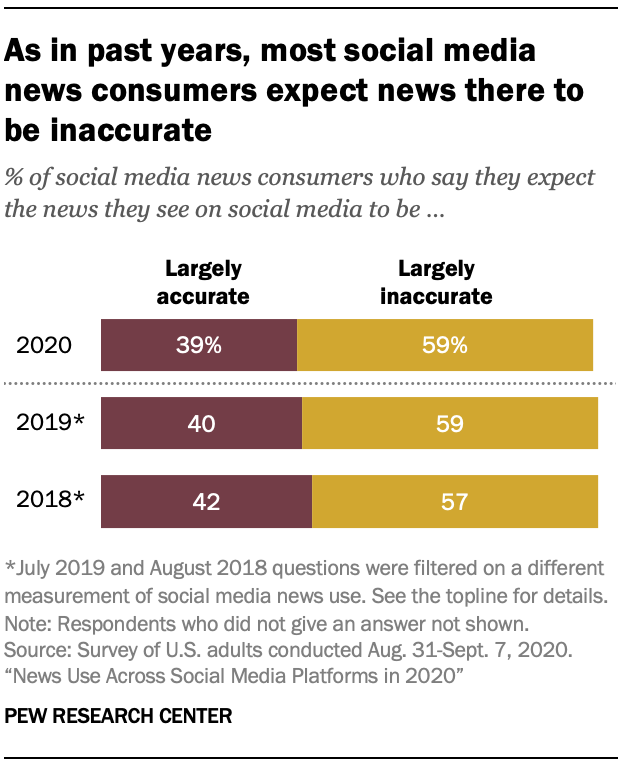
The rise of social media influencers has profoundly altered how audiences perceive news and media. Historically, news organizations and journalists served as the primary source for trustworthy information. However, with the rise of influencers, audiences are now more seeking these figures for news, particularly in social media spaces where they mix personal experiences with trending topics. This transformation has created a significantly more casual approach to news consumption, where audiences appreciate the realness and relatability of influencers over conventional media.
Moreover, the crafted personas that influencers project create a distinct dynamic in audience perception. Viewers often form a sense of connection or confidence with these influencers, thinking that they provide genuine insights into their lives and the world around them. This perceived authenticity can lead audiences to assign more weight on an influencer's perspectives than established media outlets. Consequently, the boundaries between entertainment and news become fuzzy, as audiences may discover themselves consuming news wrapped in entertainment value, molding their viewpoints in ways that traditional media rarely achieves.
Nevertheless, this progress also raises crucial questions about the validity of information. As audiences become increasingly comfortable relying on influencers, the potential for misinformation increases. The entertainment-driven nature of social media can encourage exaggerated reporting or skewed perspectives, which can further influence audience perceptions. Ultimately, while influencers have made information easier to access and entertaining, there is a urgent need for media literacy to help audiences navigate this space and discern credible sources in an dynamic media environment.
Emerging Changes in Media
The landscape of media roles is witnessing substantial change as tech continues to evolve. One of the key shifts is the fusion of influencers and traditional news roles. Influencers, often seen as entertainers, are progressively being charged with delivering news through their channels. This transition blurs the distinction between entertainment and information, as audiences find news stories through their social media feeds that they typically frequented for lifestyle and pop culture.
Moreover, the increase of artificial intelligence and data analytics is reshaping how media content is produced and engaged with. Media companies are harnessing these resources to tailor content to specific audiences, enhancing interaction through focused social media tactics. This method not only improves user experience but also challenges media professionals to uphold integrity while employing technology to improve their reach and impact.
Finally, the need for credible and varied perspectives is encouraging a reassessment of who gets to influence the story in online spaces and news media. As users continue to look for diverse perspectives, social media platforms are highlighting opinions from various cultural contexts. This movement reflects a larger societal transformation towards inclusivity, and as a consequence, both influencers and traditional journalists must modify to foster confidence and credibility in their roles as informers in a rapidly changing media landscape environment.