Cultural Shock: The manner in which Digital Tends Are Shaping Popular Culture Today


In today's rapid online landscape, social media has emerged as the pulse of modern society. Through each swipe and click, digital trends reshape how we experience entertainment, engage with news, and connect with each other. Services like Instagram, TikTok, and X not only serve as channels for conversing but also as significant influencers of popular culture. Ranging from trending memes to viral challenges, the impact of these digital mediums is irrefutable and ever-evolving.
As we delve into the realm of social platforms news and digital entertainment, it's essential to understand the most recent trends affecting all aspects from music releases to celeb gossip. The emergence of artificial intelligence applications is revolutionizing not just how we produce media but also how we market it. At SocialSchmuck.com, we provide insights, reviews, and updates that inform you about the convergence of tech and society, ensuring that you stay ahead in the ever-changing landscape of internet business and media.
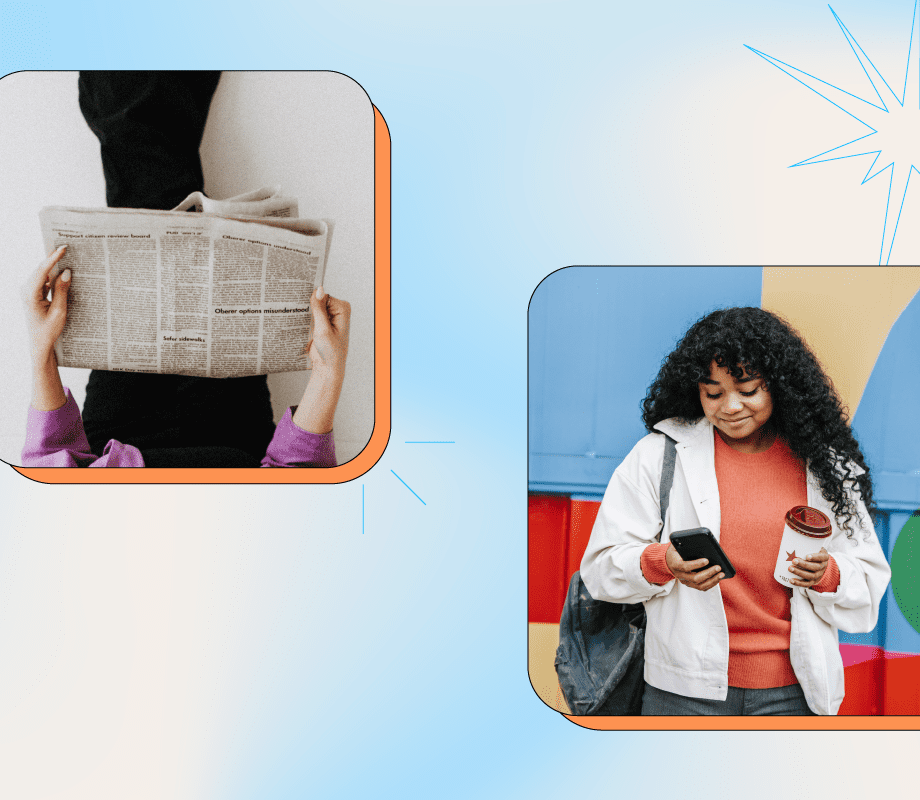
Influence of Online Platforms on Popular Culture
Social media has emerged as a significant factor in influencing popular culture today, rapidly transforming the manner styles are established and spread. Services like IG, TT, and X have revolutionized the landscape of celebrity, allowing influencers and ordinary users to gain recognition and standing overnight. The rapid nature of social media facilitates content that connects with viewers to circulate quickly, leading to phenomena that dominate dialogues across various groups. This immediacy allows for an constantly evolving landscape of trends that are often shaped by instant user engagement and input.
Furthermore, social media serves as a powerful tool for advertising in the entertainment industry. Brands and content producers leverage these platforms to connect with fans directly, offering custom experiences that connect deeply. Online streaming platforms, for instance, use social media to promote upcoming content, create buzz, and foster anticipation for upcoming movies or programs. https://socialschmuck.com/category/technology/ increases viewership but also forms the narratives around popular culture, as discussions on social media can boost or reduce a content's profile.
In addition to this to influencing consumption patterns, social media has also shifted the focus of pop culture as a whole. Fads emerge from the active involvement of users rather than conventional media controllers. Internet memes, trending challenges, and shareable material often come from regular interactions online, showing the spirit of the times in the moment. As consumers become more engaged actors rather than observers, the connection between social media and pop culture continues to develop, making it an critical aspect of contemporary entertainment.
Emerging Digital Trends in Entertainment
The digital landscape is evolving rapidly, and the entertainment industry is not exception. Streaming platforms have redefined how we consume content, with binge-watching becoming the new norm. Services like Prime Video and Netflix are pushing limits, releasing full seasons at once and committing in original programming that appeals to varied tastes. This change not only alters viewing habits, but also affects how creators approach storytelling, often leading in more intricate and engaging narratives that connect with viewers.
Social media is also a key force behind entertainment changes, enabling unprecedented interaction between audiences and producers. Platforms like Twitter are enabling content creators, allowing them to share snippets of performances or production moments, which often become worldwide hits. This close line to fans fuels excitement for new launches and happenings, building a communal experience even for those watching from their houses. As influencers and celebrities embrace these platforms, their ability to influence public opinion on music, movies, and television grows greater, shaping popular culture in real time.
Moreover, technological developments like VR and AR are reshaping the entertainment landscape. As these technologies become more accessible, they offer immersive environments for audiences to interact with their favorite media in creative ways. Live shows, video games, and film experiences are changing, allowing enthusiasts to step into their most-loved worlds like never seen. As we keep to incorporate these digital advancements into our entertainment landscape, the lines between the real and virtual realms fade, leading to new and thrilling avenues for creativity and engagement.
Artificial Intelligence and Its Impact in Influencing Purchasing Decisions
AI has become a crucial force in influencing consumer behavior across different online platforms. By examining user data and preferences, artificial intelligence technologies customize marketing approaches, offering personalized content that connects with personal preferences. This personalization not only boosts user experience but also drives engagement, as consumers are more likely to respond to advertisements and suggestions that align with their interests and habits.
In the field of social networking news, AI algorithms continuously assess trending topics and interactions between users. This ability allows brands to adapt their marketing tactics in the moment, ensuring that their content remains pertinent and engaging. With AI, companies are now better prepared to forecast consumer preferences and trends, enabling them to create effective online campaigns that resonate within the dynamic landscape of popular culture and entertainment.
The impact of AI extends beyond marketing; it also shapes how consumers interact with brands. As consumers interact more with AI-powered chatbots and AI assistants, their expectations for service and interaction shift. This change means that brands must continually adapt to satisfy the demands of their audience, leveraging AI to provide instant responses and personalized experiences. As a result, AI is not only influencing how products are marketed but also how consumers connect with the brands they admire.
The Impact of Streaming on Music and Movies
On-demand platforms have significantly transformed the landscape of the music industries, providing consumers with unprecedented access to a vast selection of media. Platforms like Apple Music have made it simpler than ever for listeners to find new musicians and genres, while simultaneously allowing creators to reach a worldwide audience without the need for traditional mediators. This transformation has led to a more eclectic music scene where smaller musicians can thrive alongside mainstream stars, ultimately transforming listener preferences and habits.
In the realm of film and television, services such as Hulu have shaken up traditional distribution channels, allowing viewers to binge-watch entire seasons of shows or find hidden treasures that might have otherwise gone missed in theaters. The popularity of streaming has also encouraged studios to pour resources in unique productions, leading to remarkable creativity and originality. Audiences are no longer restricted to what is showing in cinemas; instead, they can create their own watching experiences based on personal tastes and interests.
Moreover, the effect of streaming extends further than media viewing. The data collected by these services allows them to tailor suggestions and advertising techniques, making interaction more personalized. In consequence, this shapes popular culture by driving trends and igniting popular phenomena that appeal with viewers across online networks. As streaming continues to evolve, its impact on the music and movie sectors will undoubtedly shape the direction of media and cultural consumption, emphasizing the need for artists and advertisers to change in this dynamic context.
Popular Stories and Their Cultural Significance
Viral narratives have emerged as a significant force in shaping current popular culture, often transcending conventional media barriers. These stories spread quickly across social media platforms, seizing the interest of large audiences and sparking discussions that echo with various groups. From humorous images that deliver social insight to heartwarming tales that motivate response, the effect of these trending moments is indisputable, influencing all aspects from purchasing habits to social movements.
The cultural importance of viral narratives often stems from their relevance and the affective bonds they create. When a specific event or trend takes hold online, it functions as a lens showing society's beliefs, issues, and shared wit. This immediate feedback loop between content producers and viewers encourages the emergence of grassroots initiatives and trends that can reshape public discourse. Furthermore, the urgency of these stories motivates users to participate and share their viewpoints, creating a spirit of community in an ever more digital world.
As these stories permeate various aspects of daily life, brands and advertisers are eager to leverage their capacity for engagement and reach. Understanding the subtleties of viral content allows for more efficient online marketing strategies that resonate with target demographics. Thus, navigating the terrain of viral stories not only improves entertainment consumption but also highlights the role of digital trends in crafting cultural narratives that illustrate our era.